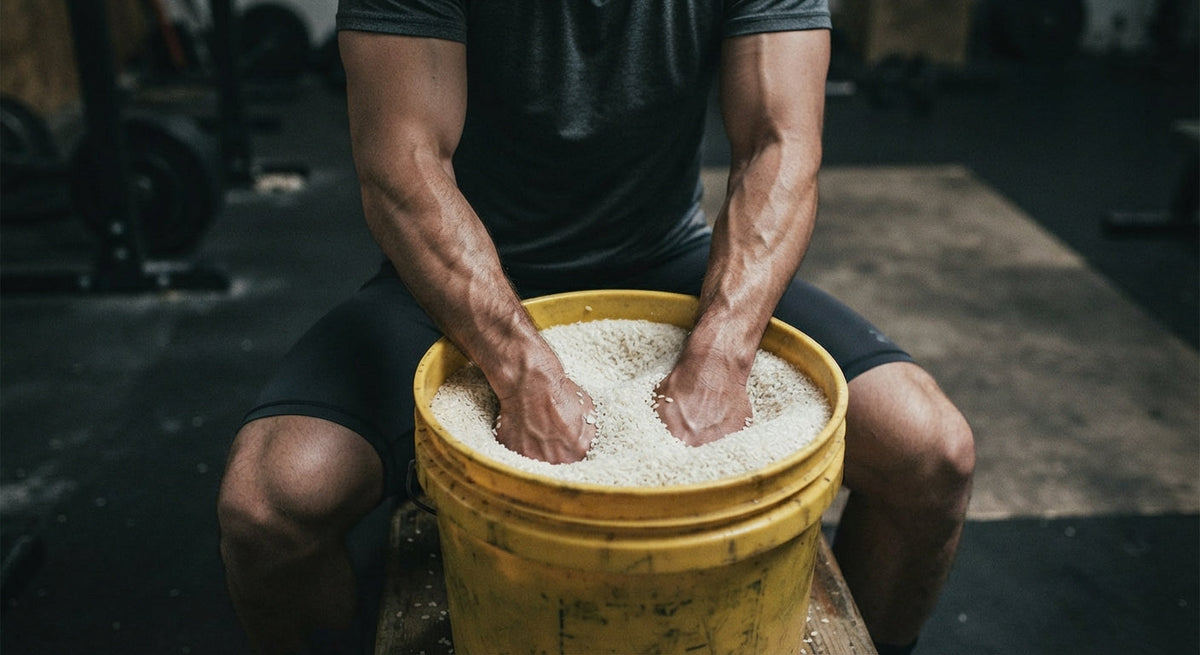

Hand grippers look simple. Squeeze, release, repeat. But the best hand grip advantages show up fast when you train with purpose. A stronger grip can help you hold onto heavy deadlifts, keep your forearms working during long sets, and build the kind of hand strength that carries over to climbing, arm wrestling, and strongman-style training.
For lifters, bodybuilders, climbers, and combat athletes, grip work is often the missing piece. Many people train back, arms, and shoulders hard, then wonder why the bar slips or the forearms fatigue before the target muscles do. Hand grippers and other grip training tools solve that gap pretty well when they’re used with the right resistance, the right volume, and enough recovery.
What Are Hand Grippers and What Do They Train?
Hand grippers are compact resistance tools designed to challenge your ability to close the hand against load. They mainly train crushing grip strength, which is the force used when you squeeze something shut. That makes them especially useful for athletes who need stronger hand closure, firmer bar control, and better forearm recruitment under tension.
The main work happens in the forearm muscles, especially the finger flexors and wrist stabilizers. Hand and wrist muscles also get involved, along with the smaller muscles that support finger control. So yes, they build hand strength, but the bigger effect is usually in the forearm and the tissues that help you keep tension during lifting and sport.
The main muscles involved in grip training
The forearm flexors do most of the closing work. They help bend the fingers and stabilize the wrist while you squeeze. That’s why grip training often creates a strong forearm pump after just a few sets. You’re loading a small muscle group that works hard in a short range, which can be deceptively brutal.
Finger flexors matter too, but they’re not the full story. Wrist stabilizers help keep force efficient, especially when you’re under a barbell or hanging from a pull-up bar. If your wrist collapses, grip power usually drops with it.
Crushing grip vs other types of grip
There are a few grip types worth separating. Crushing grip is the squeeze. Support grip is what keeps you holding something for time, like a deadlift or farmer’s carry. Pinch grip is about squeezing an object between the fingers and thumb.
Hand grippers mostly train crushing grip. That doesn’t make them useless for other types, but it does explain why they transfer especially well to sports and lifts where closing force matters. If you want more context, Golden Grip’s guide on the 4 types of grip strength is a solid companion read.

The Main Hand Grip Advantages for Strength and Athletic Performance
The most obvious benefit is simple: stronger hands hold better. In the gym, that can mean cleaner deadlift reps, fewer grip slips on rows, and more confidence on heavy pulls. If your grip gives out before your back or legs, you’re leaving training on the table. A stronger crush and better forearm endurance help you keep working when fatigue starts to creep in.
For deadlifts, pull-ups, and loaded carries, grip strength changes the entire feel of the lift. Farmer’s carries punish weak hands. Pull-ups turn messy when the grip opens early. Deadlifts often stop being a back exercise and become a hand survival test. That’s where targeted grip work fits nicely. Golden Grip also covers this in more depth in grip strength for deadlifts, which connects grip training to heavier pulls.
Better performance on deadlifts, pull-ups, and carries
If you train heavy often, better grip usually means less bar drift and better force transfer. You waste less energy fighting the implement. Instead of re-gripping every few reps, you can stay locked in and finish the set with better mechanics.
Farmer’s carries are a perfect example. The limiting factor is often the hands before the lungs or legs. A stronger grip lets you keep the load stable longer, which improves the value of the carry itself. The same thing happens on pull-ups and rows, especially with thick bars or straps removed.
More crushing power for combat sports and arm wrestling
In judo, wrestling, and arm wrestling, the hand is a control point. Strong crushing grip helps with closing force, hand positioning, and making it harder for an opponent to peel you open. It won’t win a match by itself, but it can tilt the exchange in your favor.
Arm wrestlers in particular need hand closure strength plus control. That’s why grip tools often show up in their accessory work. If that’s your lane, Golden Grip’s armwrestling training equipment collection fits the same performance logic.
Improved forearm endurance during long sets and competitions
Grip endurance matters when a set runs long or a match drags on. Climbers know this well. So do high-volume lifters who stay under tension for minutes at a time. A trained grip resists fatigue better, which means your hands fail later and your output stays cleaner.
That endurance also carries into work capacity. If your forearms don’t burn out as fast, you can keep training quality higher across the session. Small difference, big payoff.
Hand Gripper Benefits for Forearm Growth, Definition, and Vascularity
Forearms respond well to grip training because they’re exposed to repeated isometric tension. When you close a hand gripper, the forearm flexors contract hard and stay under load for a short burst. That repeated stress builds local fatigue, better tolerance, and usually a fuller look over time.
A lot of lifters notice forearm development before they notice dramatic changes elsewhere. That makes sense. The forearms get a ton of direct mechanical work during grip training, and the pumps can be intense. Over time, that can support muscle definition and, in some people, more visible vascularity too. It’s not guaranteed, but it happens often enough that bodybuilders pay attention.
Why forearms often respond well to grip training
Forearms like frequent but controlled loading. They’re used all day, yet they’re rarely trained directly with intent. Hand grippers fix that gap with a focused stimulus. The repeated closes also create a strong mind-muscle connection because the movement is simple and easy to track.
If you want broader forearm development, grip work is best when paired with other tools, not used alone. A wrist roller, thick handles, or loaded carries can expand the stimulus. Golden Grip’s guide on the effective ways to grow forearms quickly covers that angle well.
How grip work supports muscle endurance and visible definition
Definition usually improves when muscle size, blood flow, and tissue tolerance improve together. Grip work supports all three, especially when it’s done consistently. The pump is temporary. The endurance is what sticks.
If you’re chasing bigger-looking forearms, the real win is repeated exposure over months, not max effort every day. That’s where people mess up. They crush their hands until they’re sore, then do nothing for a week. Better results usually come from steady training with enough recovery to keep the tissues healthy.

Why Grip Strength Matters for Recovery, Joint Health, and Injury Prevention
Grip work can fit into rehab, but only when it matches the injury and the stage of recovery. Gentle hand grippers may help rebuild confidence and load tolerance after time off, especially when a clinician or coach approves the plan. For wrist strain, hand discomfort, or post-immobilization stiffness, slow exposure matters more than intensity.
There’s also a joint-health angle. The forearms, tendons, and wrist tissues tend to like measured loading. They usually do worse when people jump straight to heavy closes every day. Tendons adapt slowly. If you push them too hard, tendinitis and overuse problems show up fast.
How light grip work can fit into rehabilitation
In rehab, the goal is often to restore movement and tolerance, not to chase fatigue. That means light resistance, short sessions, and clean form. Hand grippers can help if the range is tolerable and the wrist stays calm.
Hand and wrist mobility matters here too. If the wrist is stiff, the hand often compensates. That compensation can create weird stress in the forearm. Slow loading works better than heroic squeezing.
Why recovery days matter for tendons and forearms
Tendons respond to stress, then recover, then adapt. If you never give them that window, they complain. Simple as that. Most people can’t train heavy grip hard every day and stay pain-free.
A better rule is spacing hard sessions with at least 48 hours between them. Light recovery work is different. A few easy closes can improve blood flow without piling on more damage. That difference matters.
Balance matters: finger extensors and antagonist work
Grip training is flexion-heavy. That means you also need finger extensors. If you skip extensor work, your hands can get tight, cranky, and unbalanced. Finger extension bands are a simple fix, and they’re worth using.
That balance helps with wrist health too. Strong flexors without a matching extensor plan can create discomfort over time. Golden Grip’s guide on bulletproofing your wrists and elbows goes deeper into that balance.
Everyday Benefits Beyond the Gym
Grip strength matters outside sport in a very plain way: it makes daily tasks easier. Opening jars, carrying groceries, holding tools, and managing long workdays all get less annoying when your hands don’t fatigue as fast. That’s a real benefit, even if nobody posts about it.
For musicians, gamers, and typists, endurance and finger control matter more than brute force. You want hands that stay responsive without feeling cooked after an hour or two. Light grip training can help with that, especially when it’s balanced with mobility and extensor work.
Better endurance for daily tasks and work
People who use their hands all day often get tired wrists and forearms before they notice actual weakness. Grip training can make those tissues more resilient. That doesn’t mean you’ll suddenly become a different person at work. It means your hands may feel less beat up by the end of the day.
This matters for office workers too. Repetitive mouse use, typing, and long desk sessions can leave the hands feeling flat and stiff. A short grip session can be a useful reset.
Useful for musicians, gamers, and typists
Musicians need controlled finger movement and stamina. Gamers and typists need repeated small motions without excessive fatigue. The goal here is endurance, not max squeeze.
Light resistance grippers can fit that profile well. A few controlled reps are usually enough. Heavy ego loading makes no sense for this group and can backfire quickly.
Stress relief and focus support
The repetitive squeeze itself can be calming. It gives your hands something to do, and the rhythm can help reset focus for a few minutes. That’s not a medical claim. It’s just a practical observation many people make.
Some lifters keep a hand gripper nearby during work breaks for that reason. It’s a small, portable tool that can interrupt mental noise and give your hands a quick job.

How to Use Hand Grippers Safely and Effectively
Warm up before heavy grip training. A few light closes, some wrist circles, and a bit of hand mobility are enough to wake up the tissues. You don’t need a ten-minute ritual, but you do need to avoid jumping straight into max-effort closes cold.
Resistance selection matters more than people think. If the gripper is too easy, you’re just wasting time. If it’s too hard, your form falls apart and your wrist starts compensating. Adjustable hand grippers make this much easier because you can progress without buying a new tool every time your strength improves. Golden Grip’s complete hand gripper training guide is useful if you want a technique-focused breakdown.
Warm up before heavy grip training
Start with a few low-effort reps. Then move up gradually. Cold hands hate surprise loading. Warm tissue usually handles tension better and feels smoother under the handle.
If your wrist feels pinchy, stop and adjust. Grip training should feel demanding, not sketchy.
Start with the right resistance level
Beginners usually do better with lower resistance and a clear progression path. Adjustable models are smart because they let you add load in small steps. That matters a lot for long-term progress.
Advanced users may want heavy-duty grippers that challenge closing force directly. But even then, the resistance should match the goal. A tool that’s too stiff becomes a novelty item.
Training frequency and recovery
Heavy grip sessions usually work best a few times per week, not every day. If you’re going hard, give the forearms room to recover. Light rehab-style work can happen more often, but that’s a different intent.
The simplest mistake is training max-effort closes daily and calling it discipline. It’s usually just a fast route to sore elbows and angry tendons.
Common mistakes to avoid
-
Daily max-effort closes
-
Too much volume too soon
-
Ignoring wrist pain
-
Skipping finger extensor work
-
Partial, sloppy reps
-
Ego-loading a gripper that’s far above your current level
How to Choose the Right Hand Gripper for Your Goal
Beginners should usually start with adjustable resistance or a gripper that leaves room to progress. That makes it easier to build consistency and avoids the common trap of buying something too hard to close. If you can’t close it cleanly, it’s not helping much.
Athletes and advanced users often want heavier resistance, durable construction, and a tool that supports progressive overload. If you’re training for deadlift carryover, arm wrestling, or climbing endurance, the right gripper should match the specific hand demand. Golden Grip’s hand gripper is one example of a product that fits a progression-minded setup.
For rehab or light daily use, comfort and smooth resistance matter more than brute force. The best tool is the one you can use without irritating the wrist or forearm. That usually means less stiffness, better control, and lower starting resistance.
FAQ
What are the main hand grip advantages?
Hand grippers can improve crushing grip strength, forearm endurance, lifting performance, and hand control. They may also support rehab, stress relief, and daily hand function.
Do hand grippers build forearms?
Yes. They can contribute to forearm development by repeatedly loading the finger flexors and forearm muscles. Results depend on consistency, resistance, and overall training.
Can hand grippers improve deadlift grip?
They can help strengthen the hand muscles used to hold a bar longer, which may improve deadlift grip endurance and bar control.
How often should I use hand grippers?
For heavy training, most people should not train to maximum effort every day. A few sessions per week with recovery between hard sessions is usually more effective.
Are hand grippers good for climbers and arm wrestlers?
Yes. Climbers benefit from grip endurance and finger control, while arm wrestlers may benefit from stronger crushing force and hand closure strength.
Can hand grippers help with wrist or hand rehab?
They may help as part of a gradual rehab plan, but only when pain is managed and the exercise is appropriate for the injury. Medical guidance is recommended.
Should I use adjustable hand grippers?
Adjustable grippers are often a smart choice because they let you progress gradually without jumping too quickly to a resistance level that is too hard.
Can grip training reduce hand fatigue from desk work?
It may help improve endurance and control, especially for people who type, game, or use their hands repetitively for long periods.
Final Thoughts: Are Hand Grippers Worth It?
Yes, if you use them for the right reason. The real hand grip advantages are stronger crushing grip strength, better forearm endurance, more useful bar control, and better carryover to sports like lifting, climbing, judo, wrestling, and arm wrestling. They can also support forearm development, daily hand function, and recovery work when used with restraint.
The key is simple: choose the right resistance, train with purpose, and recover properly. Hand grippers are a small tool, but they can do real work when they’re part of a smarter grip plan. If you want to go deeper, explore Golden Grip’s grip training guides and equipment to find the setup that fits your goal.