
A professional arm wrestler is more than a strong person with a good hand and a strong grip. The sport is built on hand control, wrist control, leverage, table angles, and the ability to make force show up in a very specific direction. That’s why some lifters can crush a gripper in the gym and still get opened up at the table in seconds.
For lifters, bodybuilders, climbers, and combat-sport athletes, arm wrestling looks simple until you see what actually decides a match. Grip strength matters. Forearm strength matters. But so do pronation, cupping, rising, back pressure, and the ability to stay calm when someone tries to take your hand apart piece by piece. If you train for those demands, your understanding of strength changes fast.
What Is a Professional Arm Wrestler?
A professional arm wrestler competes in organized arm wrestling, where the goal is to pin the opponent’s hand or arm onto the pad using legal table technique. It’s an elite strength sport, but the winning formula is more specific than raw force. A pro has to manage hand position, wrist position, elbow pressure, and leverage under load while the match is moving. That’s why the best pullers often look like they’re solving a problem, not just smashing into it.
Casual arm wrestling is usually a brawl. Professional arm wrestling is a skill and strength contest. The athlete who controls the hand controls the match. If you lose your wrist or get your fingers peeled open, your power starts leaking everywhere. That’s why grip strength and forearm strength matter so much, but only when they’re tied to table-specific strength.
How professional arm wrestling is judged and competed
At a high level, matches are usually judged by whether the opponent’s pin pad is touched with the hand or arm. The athlete must stay within the referee’s setup and ready position, and fouls can happen if someone slips early, rises too high, or breaks the start. Right hand and left hand are often treated as separate divisions, which means some athletes specialize heavily on one side.
Weight classes matter too, though super heavyweight competition gets the most attention because the power there is absurd. A world no. 1 arm wrestler in the super heavyweight division might be a monster on the right hand but merely very good on the left. That split happens more often than casual fans think. The sport rewards specialization, and the table exposes weak links quickly.
Golden Grip offers a full range of arm wrestling training equipment, browse if you're interest in improving in the sport!

Why Top Professional Arm Wrestlers Dominate the Sport
The best professional arm wrestlers do more than produce force. They force the match into a shape they like. Some win by endurance, some by hand control, some by sheer pressure, and some by making the opponent feel like the table itself is working against them. That’s why rankings can be misleading if you ignore style.
Devon Larratt, Levan Saginashvili, and John Brzenk are useful examples because they represent different kinds of dominance. Devon is famous for endurance, tactical mind games, and a toproll identity that lets him stretch matches and wear opponents down. Levan is the Georgian champion archetype: huge strength, relentless pressure, and the kind of super heavyweight dominance that can break a match early. John Brzenk is the all-time standard for technical consistency, longevity, and adaptability across eras and weight classes.
A lot of people look at championship titles and assume the strongest athlete always wins. That’s not how this sport works. A smaller but sharper athlete can beat a stronger opponent if the match setup, hand position, and timing all favor him. And then you get cross-class matches, organization differences, and events like East vs West, where ranking debates get even messier. Head-to-head results matter more than internet lists.
Devon Larratt, Levan Saginashvili, and John Brzenk
Devon Larratt built a reputation on strategic pressure and match intelligence. He often drags opponents into longer exchanges, where reading the hand becomes just as important as raw strength. His style shows why endurance is a real weapon in professional arm wrestling.
Levan Saginashvili is the opposite in some ways. He’s known for crushing force, especially in super heavyweight matchups, and he’s the kind of athlete who can make elite pullers feel pinned before the match fully settles. When people call someone “world no. 1 arm wrestler,” Levan is usually at the center of that conversation.
John Brzenk is the name people bring up when they talk about greatness. He wasn’t just strong for one era. He stayed relevant across many eras, many opponents, and many technical styles. That kind of consistency is rare. It’s one thing to win a title. It’s another thing to stay dangerous for decades.
Why rankings in professional arm wrestling vary
Rankings vary because different arm wrestling organization systems use different rules, event calendars, and opponent pools. A guy who looks unbeatable in one circuit might not have the same record against athletes from another promotion. Then there’s the issue of right hand vs left hand specialization. A puller can be near the top on one side and less dominant on the other.
That’s why head-to-head matchups tell you more than a static list. If someone has the right table angle, a better hook, or stronger defensive posting, the so-called lower-ranked athlete can win. Rankings are useful, sure. But in arm wrestling, styles make fights, and the table is honest.

Core Professional Arm Wrestling Techniques
This is where the sport gets interesting. The major techniques are not just names. They are systems for controlling force at the table. If you understand toproll, hook, rising, side pressure, and defensive posting, you start seeing why one athlete can look untouchable while another keeps collapsing under the same pressure.
Toproll: the outside move built on pronation and back pressure
The toproll is the classic outside move. The goal is to attack the opponent’s fingers, take their hand height, and open their wrist. Pronation is the engine here. When you rotate your hand over theirs while pulling back, you start stripping their hand control. Back pressure helps you drag the match toward your side of the table instead of straight sideways.
A good toproll often feels like the opponent’s hand is being peeled apart. First the fingers get exposed. Then the wrist opens. Then the arm starts to follow. If you’ve ever seen an elite puller win with almost no visible panic, that’s usually the toproll doing its thing. It’s clean, nasty, and very efficient when your hand is stronger than the other person’s containment.
For your armwrestling training, Golden Grip's OptiPuller is the perfect tool for strengthening your fingers and wrists, so that you can block any toproll attempt on the table!

Hook: the inside move that turns the match into a power battle
The hook is the inside move. Instead of staying long and outside, the athlete pulls in tight, cups hard, and tries to lock the match into a more compressed, bicep-heavy power duel. A strong hook depends on wrist flexion, tight elbow position, and the ability to keep your own hand from being opened.
Hooks work best when you can force the opponent into your lane. If you’re stronger in close contact, or if you can stop their pronation and absorb their surge, the hook becomes nasty fast. But it’s also a riskier style because it can expose the arm to heavy inside pressure. Some athletes live there. Others hate it. In elite matches, you usually see a specialist who knows exactly when to stay inside and when to bail out.
Rising: why knuckle height matters
Rising is about getting your knuckles high and keeping your hand above the opponent’s line. That may sound small, but it changes everything. Higher knuckle height helps with finger containment and lets you stop the other person from dragging you open. If your hand rises well, their pressure has a harder time finding your wrist.
Think of rising as a way to stay tall in the hand. It supports the toproll, helps with strap tension, and gives you more room to defend your fingers. You’ll see elite pullers use it almost like a hidden gear. It’s there in the setup, in the hit, and in the recovery after a surge.
Side pressure, strap control, and defensive posting
Side pressure is the force that drives toward the pin pad. It’s powerful, but it’s also dangerous if you rely on it too early or too much. The best athletes use it with control, often after they’ve already taken some hand advantage. Strap control matters because straps change the feel of the match. Once the hands are tied together, you lose some free hand fighting and start working more through connected pressure.
Defensive posting is the opposite of collapse. You keep your structure, keep your knuckles up, and refuse to get dragged flat. That matters in both open-hand and strap match training. If you can defend well, you buy time. And in this sport, time can be the whole match.

How Professional Arm Wrestlers Train Grip, Forearms, and Table Angles
Professional arm wrestling training is specific. Very specific. The old idea that “just get stronger” will cover it misses the point. You need movements that map to the table, and you need them in positions that feel like real matches. That means targeted work for pronation, cupping, rising, back pressure, and finger strength under load.
Cable setup work is common because it lets you train angles that dumbbells can’t really mimic well. The resistance can be lined up with your hand path, wrist angle, and elbow position. Some athletes use short, heavy efforts. Others go after longer sets that build fatigue resistance. Both have value, depending on your style and season.
Training pronation, cupping, and rising with cable work
Pronation is trained by turning the hand over against resistance. Cupping is trained by closing the wrist and keeping the fingers tight under load. Rising is trained by lifting the knuckles and resisting being collapsed. These are separate actions, but in real matches they work together as a chain. If one link is weak, the whole hand starts leaking.
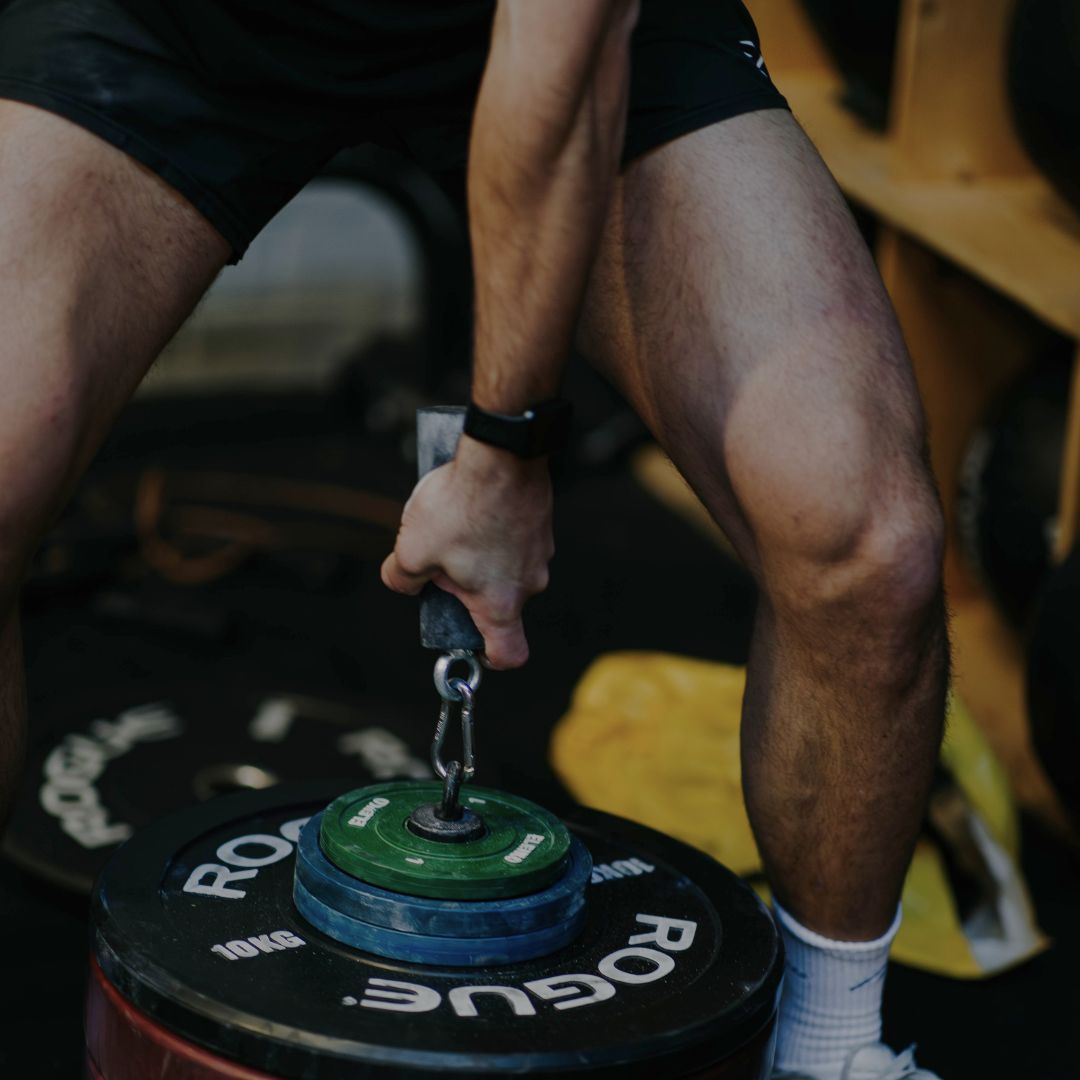
A smart cable setup lets you attack each movement pattern from a useful angle. A cupping handle like the King's Cup helps lock in wrist flexion and hand containment. The point isn’t to collect random tools. It’s to train the positions that actually decide matches.

Why elite pullers use multi-rep burnout sets and isometrics
Heavy singles build force, but multi-rep burnout sets build the kind of fatigue resistance that matters when a match drags on. That’s especially true for athletes who lean on tactical pressure. If your hand starts dying after ten seconds, a strong first hit won’t save you.
Isometrics matter too. In arm wrestling, you often hold a position while resisting movement. That’s why holding pronation, cupping, or posting against a cable can be so useful. You’re teaching the tendon and connective tissue to tolerate pressure without folding. That takes time, and yes, the elbows will complain if you rush it.
Table-specific strength vs traditional gym strength
Bench press, curls, and rows can help, but they don’t equal table-specific strength. The table asks for a very particular chain: hand, fingers, wrist, forearm, elbow, shoulder. If one segment gives out, the rest gets punished. That’s why a guy with a huge bench may still lose to a lighter athlete with superior control.
Traditional gym strength is broad. Table-specific strength is narrow and nasty. The closer your training looks to the actual match, the better your transfer tends to be. That doesn’t mean you ignore the gym. It means you stop pretending every lift has the same value for arm wrestling. It doesn’t.
Equipment That Supports Professional Arm Wrestling Training
The right armwrestling training tools can make training more useful, especially if you’re building a home training setup. What matters is matching the tool to the movement. A grip trainer helps one thing. A pronation handle helps another. A wrist wrench helps another. If you buy gear randomly, you’ll end up strong in ways that don’t show up on the table.
For athletes in Europe and North America, equipment selection often comes down to space, budget, and how serious the training block is. If you’re a beginner, you can do a lot with resistance bands and a cable attachment. If you’re a serious competitor, you’ll probably want dedicated handles and an actual practice table at some point.
Grip strength equipment for hand control and finger pressure
Grip strength equipment matters because hand control decides who dictates the match. Finger containment, thumb pressure, and the ability to stay connected under load all start here. Grip trainers, finger training tools, and handle attachments help strengthen the hand in ways that generic gym work misses.
A useful rule: if the tool makes you squeeze, hold, or prevent the fingers from being opened, it has a place. They train the small stuff that turns into big problems at the table.
Forearm training tools for pronation, cupping, and rising
Forearm training tools are where arm wrestling starts to look like a specialized sport. A wrist wrench, pronation handle, and cupping handle all target different parts of the hand and forearm chain. You’re not just building muscle. You’re building control in the exact directions the sport demands.
For many athletes, forearm training tools are more useful than another pair of dumbbells. That’s because they let you train table-relevant torque and angle-specific pressure. If your wrist gets peeled back in live pulls, this is the category that deserves your attention.

Cable attachments, resistance bands, and home training setups
Cable attachments are versatile because they let you change height, angle, and resistance fast. Resistance bands can do something similar, especially for warm-ups, speed work, and lighter recovery sessions. Together, they make a solid home training setup for athletes who can’t always get to a club.
The buying question is simple: do you need general grip work, or do you want movement-specific work? If it’s the second one, look for gear that supports repeated, precise loading. That usually means handles that fit the hand well, attachments that don’t slip, and enough durability to survive a real training cycle.
When an arm wrestling table matters
At some point, serious athletes need an arm wrestling table. You can train a lot without one, but table-specific practice changes the feel of setup, hand fighting, and angle control. The pad height, elbow placement, and pin line all matter. If you’ve never trained on a real table, your timing can be off even if your strength is solid.
That’s why a dedicated arm wrestling table training setup is so valuable for competitors. It turns theory into live rep work. And when you’re preparing for a match, that matters more than a fancy gym session.
You may also want to read: Why Your Forearms Aren’t Growing: The Real Reasons
Recovery, Elbow Health, and Long-Term Performance
Arm wrestling hits connective tissue hard. Elbows, wrists, and tendons take a beating, especially when athletes jump too fast into heavy side pressure or overdo live pulls. If you care about staying in the sport, recovery can’t be an afterthought. A lot of talented pullers get stalled by overuse, not lack of strength.
Tendon conditioning is part of the game, but so is progression. You want controlled loading, planned rest, and enough work to adapt without lighting up the joint. Warm-up is not a formality either. It helps prepare the wrist, elbow, and shoulder for the weird forces coming next.
How to protect elbows, wrists, and connective tissue
The simplest way to keep joints happier is to load them in a way they can recover from. That means easing into heavy pronation, limiting reckless side pressure, and respecting flare-ups before they become real issues. Elbow health gets worse when athletes try to win every training session.
Defensive posting can also reduce bad stress in practice because it keeps you from collapsing into ugly positions. And if you’re using a wrist wrench or similar tool, keep the range honest. Chasing ego reps through pain is a fast way to lose training time.
Warm-up and recovery habits used by serious pullers
Good warm-ups often look boring, which is a good sign. Light band work, controlled wrist motion, hand opening, and easy pronation drills all help get blood moving before the heavy stuff. After training, some athletes use soft tissue work, light movement, and extra rest for the irritated elbow or wrist.
Recovery also includes planning. If you’re doing heavy table work, you may need fewer max-effort sessions than a general lifter would expect. That’s especially true when you’re stacking competition prep on top of regular work. For more on that side of training, a guide on wrist and elbow recovery tips can be a useful next read.
What Beginners Can Learn From Professional Arm Wrestlers
If you’re new to the sport, the biggest lesson is this: technique comes before ego. A beginner who learns hand control and wrist position early will usually progress faster than someone who just tries to yank harder. That’s true whether you’re a lifter, a climber, or an athlete from another strength sport.
You also need to accept that arm wrestling is specific. A good deadlift does not automatically build a good toproll. A big biceps curl does not automatically save your hook. Start with the movements that matter, then load them gradually. Your tendons will thank you later.
Build grip, wrist control, and forearm specificity first
Your first training priorities should be grip strength, wrist control, and forearm specificity. Learn how to keep your knuckles tall. Learn how to cup without collapsing. Learn how to pronate without overcommitting your elbow. Those basics make every later phase easier.
Beginners who train this way often progress faster because they stop wasting effort on the wrong force direction. If you’re building a plan, use tools that match the movement you want to improve. That’s where a simple grip trainer, a handle, or one solid cable attachment can beat a pile of random gym toys.

Choose tools that match the movement you want to improve
This is where smart buying matters. If your weak point is pronation, buy for pronation. If your hand opens too easily, get something that works finger containment. If your wrist gives out in straps, look for cupping and rising work. The equipment should solve a problem, not decorate your rack.
Golden Grip’s type of gear fits this philosophy well because the focus is performance-specific. You’re not just collecting equipment. You’re building a system for arm wrestling, forearm development, and grip control that actually carries over to the table.
FAQ
What makes someone a professional arm wrestler?
A professional arm wrestler competes in organized matches and relies on technique, hand control, leverage, and specialized strength rather than just general arm strength.
Who is considered the world’s best professional arm wrestler?
Levan Saginashvili is widely considered the world No. 1 right-hand super heavyweight arm wrestler, though rankings can vary by organization and division.
What is the most important technique in professional arm wrestling?
There is no single best technique, but toproll, hook, and rising are among the most important because they control hand position and leverage.
How do professional arm wrestlers train differently from bodybuilders?
They train highly specific movements such as pronation, cupping, rising, and table-angle control, often using cables and isometrics instead of only traditional lifts.
Why is grip strength so important in arm wrestling?
Grip strength helps control the opponent’s hand, fingers, and wrist, which can determine whether you open their hand or get contained.
What equipment is best for arm wrestling training?
Useful tools include pronation handles, cupping handles, wrist wrenches, resistance bands, finger trainers, and grip strength tools.
Is arm wrestling more about strength or technique?
At the professional level, it is both. Strength matters, but technique, positioning, and table control often decide matches between elite athletes.
Can beginners train like professional arm wrestlers?
Yes, but they should start with safe loading, basic hand and wrist positions, and gradual tendon conditioning before heavy table-specific work.
Final Thoughts
A professional arm wrestler is built, not born. The elite ones combine grip strength, forearm strength, hand control, leverage, and table-specific strength in a way that most athletes never train for. That’s why the sport keeps surprising people who only judge strength by gym numbers.
If you remember one thing, make it this: arm wrestling is a movement sport with a strength problem attached. The athletes who win usually understand pronation, cupping, rising, back pressure, and finger containment better than everyone else in the room. And they train with that reality in mind.
If you want to get better, start with the mechanics, Golden Grip offer all the right tools. A good pronation handle, cupping handle, wrist wrench, or grip strength equipment can make your training more honest and more useful. That’s the kind of setup that helps serious pullers, climbers, lifters, and arm wrestling competitors move forward with purpose.