
A solid grip strength workout carries over to almost everything you do in the gym and in sport. If you deadlift, row, climb, wrestle, or just want to carry heavy stuff without your hands giving out early, grip matters. And yes, forearm size can help, but size alone does not guarantee strong hands. What you really want is a mix of support grip, crush grip, pinch grip, wrist strength, and forearm endurance.
That’s where a good plan makes the difference. The best grip strength workout is not just about squeezing a gripper until your hand burns. It uses the right exercises, the right loading, and enough recovery to keep your elbows and wrists happy. If you train smart, you can build stronger hands, better carrying capacity, and more control in lifts like deadlifts and pull-ups. You can also pick the right grip training tools for your goal, whether that’s climbing, arm wrestling, or general athletic performance.

What A Grip Strength Workout Should Train
A complete grip strength workout should train more than one skill. That’s the biggest mistake people make. They hammer one exercise, usually hand grippers, and wonder why their deadlift grip still fails or why plate pinches feel awful. Grip strength has layers. Some are about holding weight. Some are about crushing hard. Some are about pinching and thumb pressure. And some are about keeping the wrist stable while all of that is happening.
The other thing people miss is that forearm training and grip training are not the same thing, at least not fully. Your forearms can be pumped and tired, but your actual hand strength may still have gaps. A strong grip usually comes from training the fingers, thumb, wrist, and forearm together, then giving those tissues enough time to recover. If you want better athletic performance, better carrying strength, and fewer weak-link failures, you need all of it working in sync.
Support grip vs. crush grip vs. pinch grip
Support grip is your ability to hold onto something for time. Think deadlifts, farmer’s carries, hanging from a pull-up bar, or carrying heavy dumbbells across the gym. This is the grip that keeps you from opening up when fatigue hits. It matters a lot for lifters, climbers, and anyone who wants better carrying capacity.
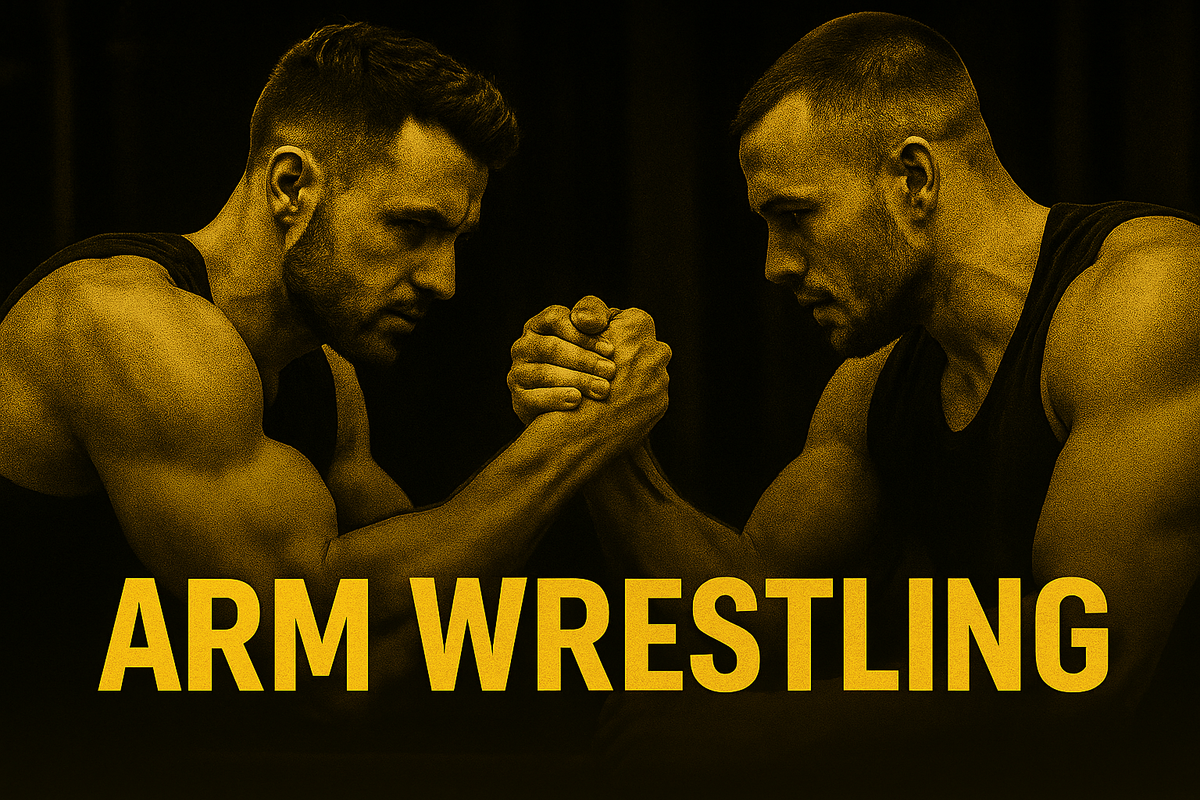
Crush grip is the squeeze. This is what you use when you crush a hand gripper, shake someone’s hand firmly, or control an opponent in arm wrestling. It’s less about just hanging on and more about closing the hand hard against resistance.
Pinch grip is about holding something between your fingers and thumb. Plate pinches and block pinches hit this hard. Climbers care about it because the thumb and fingers need to work together on smaller holds. Lifters care too, especially if they want stronger thumb strength and better hand control.
Read also: The 4 Types of Grip Strength Explained
Why wrist and forearm strength matter too
The wrist is part of the chain. If your wrist collapses, your grip usually leaks force. That’s why wrist strength and forearm training matter even when your main goal is bigger lifts or sport performance. Wrist flexors help with flexion and closing force, while wrist extensors help balance the system and support healthier elbows.
And this is where a lot of people go wrong. They train forearm flexors nonstop and ignore opening work. That can leave you with irritated elbows, tight forearms, and a grip that feels strong for five minutes, then falls apart. Balanced grip training means you respect both sides of the forearm, plus the hand opening muscles that help restore movement and reduce overuse stress.
Read also: Effective Ways to Grow Forearms Quickly
Best Exercises For A Grip Strength Workout
If you want the most useful grip strength workout, start with exercises that actually carry over. The best choices are simple, hard, and easy to progress. You do not need a circus of gadgets. You need a few movements that challenge support grip, pinch grip, crush grip, and wrist and forearm endurance in a way you can repeat week after week.
The list below matches what people are already searching for and what actually works in the real world. These are the movements I’d keep if I had to build a grip plan with only a handful of exercises. They also fit different training setups, whether you use dumbbells, kettlebells, a trap bar, weight plates, or a pull-up bar at home.
Farmer’s carry
Farmer’s carries are one of the best support grip builders you can do. Grab heavy dumbbells, kettlebells, or a trap bar, stand tall, brace hard, and walk with control. Keep your shoulders packed down, your ribs stacked, and your hands clamped around the handles the whole time. If the load is too light, your grip never has to fight. If it’s too heavy, your posture turns into a mess.
This move is gold for deadlift grip, row grip, and carrying capacity. It also teaches the body to keep force transfer clean under load, which matters for general athletic performance. Start with 20 to 40 meters or 20 to 40 seconds, then push the load or the distance over time. Strong lifters often do better with a mix of bilateral and unilateral carries, since one-sided carries challenge the trunk and hand a little differently.
If you want a deeper setup for this pattern, a good next step is farmer’s carry equipment.

Dead hang
Dead hangs are brutally simple. Hang from a pull-up bar with an overhand grip and keep your body long. You can stay fully passive, or you can pull the shoulders slightly down and back for a more active hang. The active version tends to build better scapular control, while the passive version can be useful for hanging endurance and general support grip.
This exercise matters for climbers, lifters, and anyone who wants stronger hands without needing much gear. It teaches your grip to manage your own bodyweight, which is very different from squeezing a tool. Start with timed holds and build up gradually. If 15 seconds is hard, that’s fine. Work there first. If 45 seconds feels easy, add load with a belt or chain, or extend the total time under tension.
Plate pinch
Plate pinches build thumb strength and finger pressure in a way most people ignore until they try them. Press two smooth plates together with the flat sides out or use edge pinches if that’s all you have. Stand tall and hold the plates without letting them slip. That demand on the thumb makes this one especially useful for climbers and athletes who need better control in awkward positions.
You do not need huge weight to make plate pinches hard. In fact, too much load turns the movement into a sloppy mess. Start light, maybe with small plates, and hold for 10 to 20 seconds. Progress by using thicker plates, adding time, or increasing the total number of sets. If you only train crush grip, plate pinches will expose the gap fast.

Dumbbell wrist curls
Wrist curls train the forearm flexors directly. Sit on a bench, rest your forearm on your thigh or a pad, and curl the wrist through a controlled range of motion. The key is control. Don’t fling the weight. Don’t turn it into a tiny jerking motion. You want the wrist to flex and extend smoothly under load.
Light to moderate dumbbells are usually enough here. If you go too heavy, the movement gets short and ugly, and your elbow may start to complain. Wrist curls help build the kind of forearm strength that supports crush and support work, especially when paired with loaded carries or hanging. They also give a visible forearm pump, which bodybuilders usually love, though the real payoff is the resilience and control.
You can vary the angle a bit, but don’t get lost in fancy wrist curl variations before you’ve mastered the basic movement. A clean rep beats a heavy cheat rep every time.
Read our full guide on forearm training!
Hand grippers
Hand grippers are the classic crush grip tool. Spring-loaded grippers and adjustable hand grippers both have a place. They let you train max squeezes, timed holds, or controlled reps. If your close strength is weak, these make it obvious. If your close strength is decent, they help push it higher.
Use them with intent. Close the gripper hard, pause for a second, then return under control. Or hold it shut for a timed squeeze. You can also use them in short clusters to build endurance. The mistake is chasing ego. People buy grippers that are too hard, fail every rep, and call it training. That is just frustration with a metal handle.
Towel wringing
Towel wringing looks easy until you do it for a minute straight. Twist a dry or slightly damp towel hard in opposite directions, then switch and repeat. This trains rotational force, forearm endurance, and a kind of hand control that most gym exercises miss. It’s also easy to do at home, which makes it a useful fallback on busy days.
I like towel wringing because it asks the forearms to work in a messy, real-life pattern. That matters for athletes who need grip endurance in awkward positions, and it’s nice for recovery days too because you can keep the effort moderate. It won’t replace heavier work, but it fills a gap that straight-line lifts leave open.

The Missing Piece: Wrist Extensors And Hand Opening Work
A lot of grip training falls apart because it only trains closing. That creates a forearm that feels tight, overworked, and a little cranky around the elbows. If you want a grip strength workout that lasts, add work for the wrist extensors and the muscles that open the hand. That balance helps the forearm stay durable, and it can make your main grip exercises feel better over time.
This is also where recovery matters. If you hammer grippers, wrist curls, and carries every session, you may get a nasty forearm pump and then a flare-up in the elbow or wrist. The fix is not to quit grip work. The fix is to balance the stress. Train opening and extension patterns, keep the loads modest, and leave room for tissues to adapt.

Reverse wrist curls
Reverse wrist curls train the wrist extensors, the muscles on the top side of the forearm. Sit or stand with a light dumbbell, rest the forearm, and extend the wrist upward under control. The load should be lighter than your wrist curl weight, usually much lighter. This is a balance drill, not a max-strength flexion test.
These help offset wrist flexor dominance from gripping, pulling, and curling. They are also a smart choice if your elbows get irritated after heavy grip work. A few controlled sets can make a big difference in how your forearms feel across the week.
Finger extension or hand opening
Banded finger extensions are one of the simplest counterbalance drills you can do. Put a rubber band around your fingers and open the hand against resistance. You can also use dedicated hand opening tools if you have them. The goal is not to crush the band into dust. It’s to teach the hand to open with control.
This kind of work supports tendon health and gives your hands a break from constant closing patterns. If you train climbing, arm wrestling, or heavy pulling, this is a small habit that can pay off. A few sets after your main work is enough for most people.
How To Program A Grip Strength Workout
Programming is where good intentions become actual progress. A grip strength workout should be hard enough to stimulate change, but not so hard that it ruins your deadlifts, rows, or climbing sessions. For most people, two to three grip sessions per week works well. If you already pull hard several days a week, you may need less direct grip work than you think.
The best setup usually mixes timed holds, loaded carries, and a couple of direct wrist or crush movements. Rest long enough to keep quality high. For timed holds and carries, 60 to 120 seconds of rest often works. For heavy grippers or heavier carries, you may need more. Track progression by load, distance, hold time, or density, not just by how wrecked your forearms feel.
Beginner grip strength workout template
If you’re new to this, keep it simple. Pick two or three exercises and keep the volume manageable.
A good starting point:
- Farmer’s carry: 2 to 3 sets of 20 to 30 seconds
- Dead hang: 2 to 3 sets of 15 to 30 seconds
- Wrist curls or hand grippers: 2 to 3 sets of 8 to 12 reps or 10-second holds
Use full recovery between sets. If your grip is failing before the target time or rep range, that’s your sign to scale back a little. The goal is good work, not sloppy fatigue.
Intermediate and advanced progressions
Once the basics feel easy, start changing one variable at a time. Add load to carries, increase hang time, use thicker handles, shorten rest periods, or alternate grip types in the same session. You can also pair pinch work with crush work, then finish with extensor work to keep things balanced.
Advanced athletes often do better with density blocks. For example, do several short carry or hang sets in a fixed window, then move into grippers or wrist curls. Another option is supersetting a support grip movement with a pinch movement. That creates a stronger overall stimulus without turning the session into a marathon.
Where to place grip training in your week
Most people should put grip work after their main lifts, not before. If you crush your forearms first, your deadlifts, rows, and pull-ups may suffer. Lower-body days can be a good place for loaded carries because they usually interfere less with pulling volume. Dedicated grip sessions also work if you recover well and your schedule allows it.
If your main goal is lifting performance, keep grip work out of the way of your heaviest pulling day. If your goal is climbing or arm wrestling, you may need to organize the week more carefully so your hands are fresh for the hardest technical sessions. The rule is simple: train grip hard, but don’t sabotage the sport that matters most.

Grip Strength Workout For Your Sport Or Goal
The best grip strength workout is the one that matches what you actually need. A bodybuilder wants better forearm development and stronger pulls. An arm wrestler wants crushing control and wrist power. A climber wants thumb strength, finger endurance, and the ability to hang on when fatigue hits. Different goal, different emphasis.
That’s also why a one-size-fits-all routine underperforms. If you train for deadlifts, you don’t need to spend all your time on grippers. If you climb, plate pinches and dead hangs matter more than endless wrist curls. And if you’re a general athlete, the smartest path is a balanced plan that builds support, crush, and pinch strength without overloading one pattern.
For lifters and bodybuilders
If you lift, grip strength can improve deadlift grip, row grip, and your ability to hold onto heavier dumbbells during pulling work. Stronger hands also help your forearms grow, which matters if you care about arm development. I’d lean hard on farmer’s carries, dead hangs, and wrist curls, then sprinkle in grippers or pinch work once or twice a week.
A good bonus is that grip work often teaches better tension. If your hands are strong, you usually stay tighter through the upper back during rows and pulls. That carryover is real, and lifters notice it fast when they stop losing the bar early.
For arm wrestlers
Arm wrestlers need more than a strong squeeze. They need wrist control, crush grip, and the ability to hold pressure in ugly positions. Hand grippers help, but so do wrist curls, reverse wrist curls, and isometric holds that mimic match tension. Short, hard efforts usually fit better than long sloppy sets.
If this is your sport, build around control under load. That means the wrist should not fold, the fingers should stay active, and recovery needs to be taken seriously. Elbow irritation shows up fast when the volume gets careless.
For rock climbers
Climbers need support grip, pinch grip, hanging endurance, and finger and thumb strength. Dead hangs, plate pinches, and towel-based work are useful here, but don’t ignore controlled recovery. Climbing already pounds the hands. Extra grip work should support the sport, not wreck it.
For climbers, I’d also pay attention to how the hand opens and closes across the week. Too much closing without balancing work can make the forearms feel stiff and overcooked. Smart grip training keeps you on the wall longer.
For general athletes
If you just want to be harder to break, grip training is a force multiplier. Loaded carries help contact strength, hanging helps upper-body resilience, and pinch work builds hand control you can use in almost any sport. You do not need to specialize heavily. A mixed approach usually works best.
Grip Training Equipment Worth Considering
You can train grip with almost no equipment, but the right tools make progression easier. The main thing is choosing tools that fit your goal instead of buying random gear that sits in a drawer. A hand gripper is great for crush grip. A pull-up bar helps with support grip. Weight plates, kettlebells, and dumbbells cover a lot of ground. Add a wrist roller or pinch blocks, and you’ve got a serious setup.
For home workouts, simple usually wins. For gym training, a few specialized tools can make your sessions more efficient and repeatable. If you’re thinking about gear, match the tool to the result you want.
Best tools for home and gym training
- Hand grippers: best for crush grip and timed squeezes
- Adjustable hand grippers: useful when you want one tool that grows with you
- Fat grips or thick grip attachments: great for making bars and handles harder to hold
- Kettlebells and dumbbells: ideal for farmer’s carries, holds, and general support work
- Weight plates: the go-to for plate pinch training
- Pull-up bar: perfect for dead hangs and hanging endurance
- Pinch blocks: excellent for serious pinch grip training
- Wrist roller: strong choice for forearm endurance and controlled wrist work
Common Grip Training Mistakes To Avoid
The biggest mistake is training only crush grip. That gives you one strong pattern and a bunch of weak ones. You may close a gripper well, but still lose the bar on deadlifts or fold on a climb. Another common issue is going too heavy too soon. Grip tissues adapt, but they can get irritated faster than larger muscles, especially around the elbow and wrist.
Skipping recovery is another problem. Tendons and forearm muscles often need more breathing room than people expect. If your hands feel cooked, your next session should probably be lighter or focused on a different pattern. You can also keep progress moving by rotating stress instead of piling everything into one day.
Simple Grip Strength Workout Example
Here’s a practical session you can run once or twice a week if you want a balanced grip strength workout. It covers support grip, pinch grip, crush grip, and forearm work without taking forever.
Example session
- Farmer’s carry: 3 sets of 30 to 40 seconds, rest 90 seconds
- Dead hang: 3 sets of 20 to 30 seconds, rest 60 to 90 seconds
- Plate pinch: 3 sets of 15 to 20 seconds, rest 60 to 90 seconds
- Dumbbell wrist curls: 2 to 3 sets of 10 to 15 reps, rest 60 seconds
- Hand grippers: 2 to 3 sets of 5 to 8 controlled squeezes or 10-second holds, rest 60 to 90 seconds
If your grip is already tired from heavy deadlifts or rows, cut one movement and keep the quality high.
FAQ about Grip Strength Workout Routines
What is the best exercise for grip strength?
The best exercise depends on the grip type you want to improve, but Farmer’s Carries and Dead Hangs are two of the most effective overall because they build support grip, forearm endurance, and real-world carrying strength.
How often should I do a grip strength workout?
Most people do well with grip training 2 to 3 times per week, depending on recovery and how much heavy pulling they already do in their regular program.
Can I train grip strength at home?
Yes. A home grip strength workout can use hand grippers, towels, dumbbells, a pull-up bar, and weight plates for effective support, crush, and pinch training.
Does grip strength help deadlifts?
Yes. Stronger grip can help you hold the bar longer and reduce grip failure on heavy pulls, rows, and loaded carries.
Are hand grippers enough for grip strength?
Not by themselves. Hand grippers mainly train crush grip, so a complete program should also include support grip, pinch grip, and wrist and forearm work.
What grip strength exercise is best for climbers?
Plate Pinches, Dead Hangs, and towel-based hangs or carries are especially useful for climbers because they build finger, thumb, and support endurance.
How long does it take to improve grip strength?
Many people notice improvements in a few weeks if they train consistently, but major strength gains depend on frequency, load progression, and recovery.
Final Thoughts
A good grip strength workout is built on a few smart choices, not a pile of random exercises. Train support grip with farmer’s carries and dead hangs. Build crush grip with hand grippers. Challenge pinch grip with plates or blocks. Add wrist curls, reverse wrist curls, and hand opening work so your forearms stay balanced. Then program it with enough recovery to keep making progress.
If you lift, climb, wrestle, or just want stronger hands, this kind of work pays off fast when you stay consistent. And if you want gear that matches your goal, it helps to choose tools that fit the way you train, whether that’s adjustable grippers, pinch blocks, thick grip attachments, or a wrist roller. Golden Grip has the kind of grip strength tools that make that process easier to build into a real routine.