
If you train seriously, weak hands eventually catch up with you. Maybe it shows up on deadlifts when the bar starts slipping before your hips give out. Maybe it shows up on pull-ups, farmer’s carries, climbing routes, or even just opening heavy jars after a hard session. That’s where hand strengthening tools earn their place.
The best hand strength equipment help you build grip strength, finger strength, support grip, pinch strength, and hand endurance. All those are skills transferable to lifting and many sports.
But the category is broad, and that’s the problem. A hand gripper is great for one type of strength. A pinch block does something else. Extension bands matter too, even if a lot of people ignore them. And if you’re coming back from overuse injury or trying to build hand health, the right tool looks very different.
So the real question isn’t whether these tools work. It’s which one fits your goal. Keep reading and we'll help you navigate on the best options of hand strengthening tools and equipment currently available in the market.
What Are Hand Strengthening Tools, and Do They Actually Work?
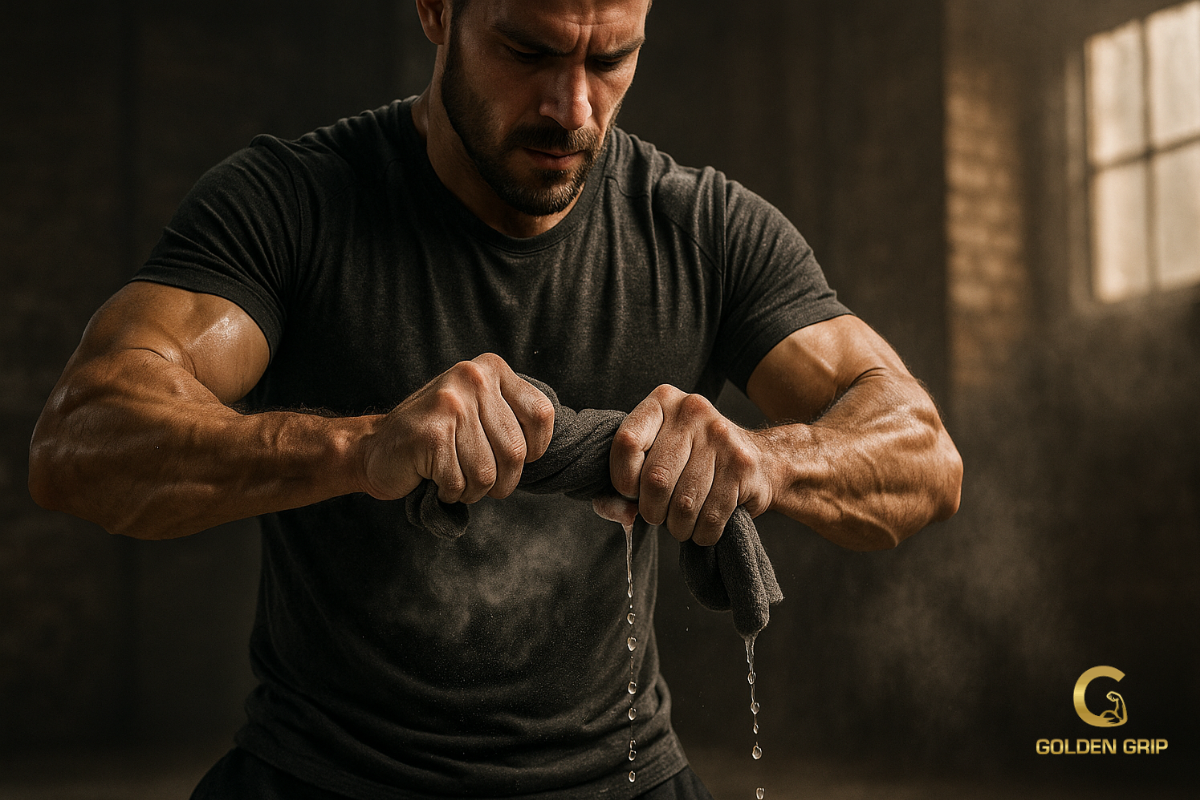
Hand strengthening tools are devices and accessories built to train the muscles in your hands, fingers, thumbs, and forearms. Some focus on closing strength. Some train opening strength. Others target pinch grip, dexterity, or light rehab work. Used well, they can improve grip strength, hand function, and forearm training capacity without needing much space or setup.
Yes, they work. But they work best when you treat them like training tools, not toys. If you squeeze a gripper randomly once in a while, you’ll get a little fatigue and not much else. If you use progressive overload, track resistance, and train with intent, you can build real strength and endurance over time. That’s true for lifters, climbers, crossfiters, bodybuilders, and arm wrestlers alike.
What these tools train in the hand and forearm
A lot of people think “grip” is one thing. It’s not. Your hand and forearm are doing different jobs at the same time, and each tool stresses a slightly different pattern. Hand grippers hit the flexors hard, especially the muscles responsible for closing the hand. Pinch tools lean more into thumb strength and finger coordination. Extension work targets the extensor muscles, which most people undertrain. And even simple therapy tools can help with mobility and low-load activation.
Bottom line, the forearm is not just one big squeezing unit. It has flexors, extensors, thumb movers, and smaller stabilizers working together. If you only train one side, you usually end up with a gap. And that gap shows up as fatigue, reduced dexterity, or cranky elbows and wrists over time.
Why they work best with progressive overload
Hand training responds to the same basic rule as the rest of strength training: give the tissues more than they’re used to, then recover, then repeat. That might mean a heavier gripper. It might mean more reps, longer holds, harder pinch positions, or a thicker handle that forces more effort.
Progressive overload is the difference between casual squeezing and actual adaptation. A beginner might start with a soft hand exerciser and move to a spring-loaded gripper in a few weeks. An advanced user might be tracking closing strength with a premium gripper or using timed holds on a pinch block. Either way, the body needs a reason to adapt.
If you want a deeper training structure, check out our grip strength training guides can help connect the dots between tools and programming.
The Main Types of Hand Strengthening Tools
The best hand strengthening tools usually fall into a few clear categories. Each one does a different job, and that’s good news because it means you don’t need to guess. You can match the tool to the adaptation you actually want.
If your goal is closing strength, hand grippers are the obvious starting point. If you want balanced hand training, extension bands matter. If you care about thumb power, support grip, or climbing carryover, pinch tools and thick grips deserve attention. And if you’re in rehab mode or just rebuilding capacity, softer tools are a smarter place to start than heavy resistance.
Hand grippers for crushing grip strength
Hand grippers are the classic choice for crushing grip. They train the ability to close the hand hard against resistance, which carries over to things like barbell control, heavy holds, and arm wrestling hand closure. Spring-loaded grippers are common, and so are premium fixed-resistance models that give you a clearer progression path.
The big advantage here is measurability. You can pick a resistance level, work on clean closes, and move up when you’re ready. That makes grippers useful for anyone who likes objective progress. Brands like Captains of Crush are well known for this reason, but the main idea matters more than the label: if the resistance is consistent and the tool is built well, you can train closing strength with real intent.

Finger exercisers and extension bands for balance
Finger exercisers and rubber band extensions do the opposite job. They train hand opening, finger extension, and the muscles that balance out all that gripping you do in the gym. People skip this stuff all the time, then wonder why their forearms feel tight or their elbows get angry after pulling sessions.
A simple set of extension bands, such as Golden Grip's Finger Extension Elastics, can help restore balance training to your routine. And yes, that matters for hand health. If you only train flexion, the forearm can become dominant in one direction and underprepared in the other. That doesn’t sound dramatic, but it adds up, especially for climbers, lifters, and anyone who trains a lot of pulling volume.

Pinch tools and thick grips for support and thumb strength
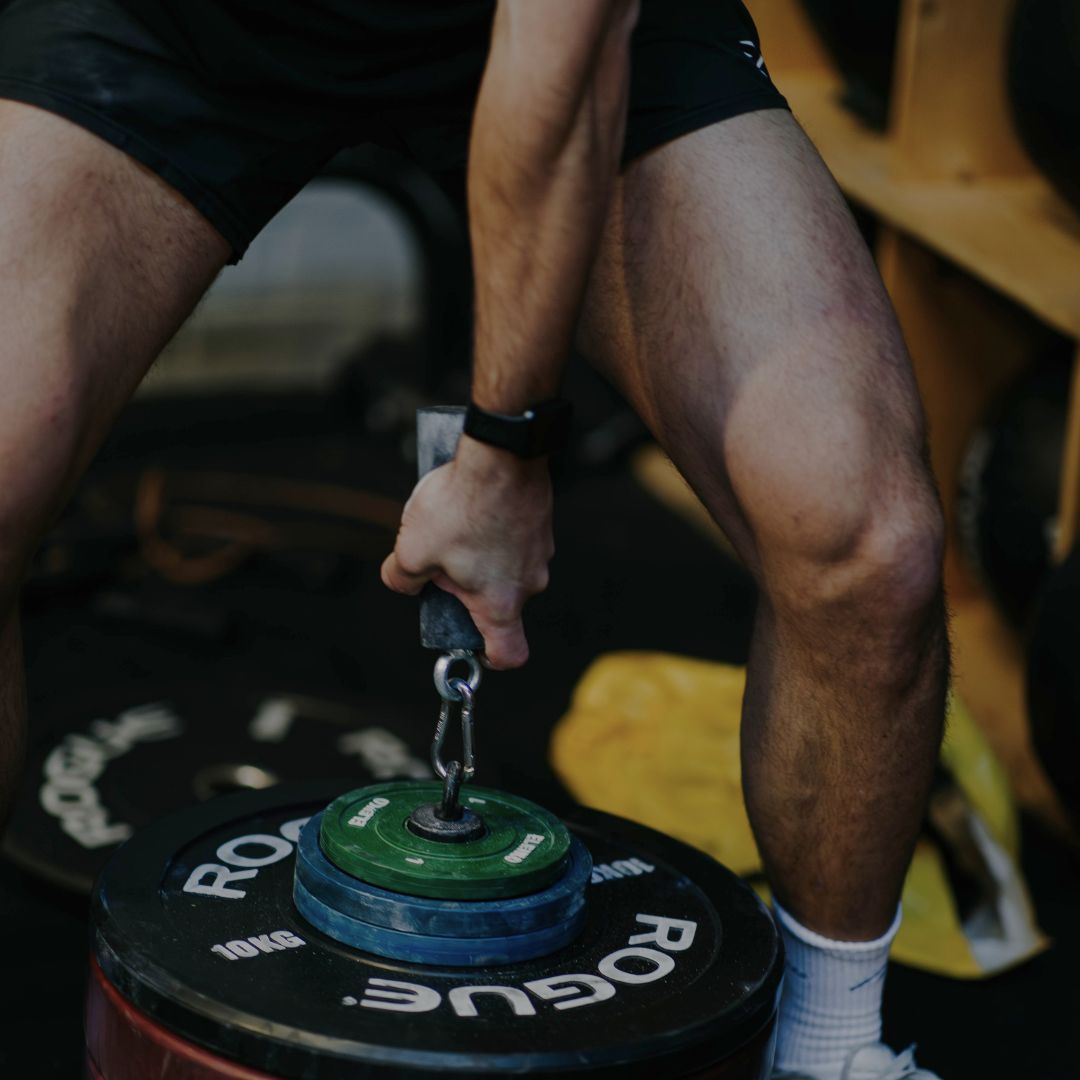
Pinch tools build a very specific quality: the ability to hold objects between the thumb and fingers without letting the load roll away. That includes pinch blocks, plate pinches, and thick grip accessories that make the hand work harder around a larger diameter. This is useful for support grip and for any sport that demands hand control under load.
For lifters, that means better carryover in deadlifts, loaded carries, and farmer’s carries. For climbers, it can help with awkward holds and compression demands. For arm wrestlers, pinch and thumb strength can support hand control at the table. It’s not the same thing as a gripper, and that’s the point. You need both if you want balanced hand training.

Therapy tools for rehab and light hand activation
Therapy putty, stress balls, tennis balls, and softer hand exerciser tools all live in the lower-intensity end of the spectrum. That doesn’t make them less useful. It just means they serve a different purpose. They’re good for recovery, mobility, light daily activation, and rebuilding tolerance after time off or a repetitive strain injury.
If your hands feel beat up, starting with low-load work is usually smarter than forcing heavy gripping too soon. These tools can help restore hand function without punching recovery in the face. They’re also good as warm-up tools before harder grip training, especially if your wrists and fingers feel stiff.
Best Hand Strengthening Tools by Training Goal
This is where the category gets useful. The best tool is not the same for everyone. If you pick based on your goal instead of the marketing name, you’ll usually end up happier with the purchase and better in training.
A high-quality gripper is usually the best overall pick for serious grip strength. But if your real issue is finger isolation, pinch strength, or rehab, a different tool makes more sense. That’s the part most generic reviews miss. They talk about one product as if it solves every problem. It doesn’t.
Best overall for serious grip strength
If you want one tool that gives you the cleanest read on progress, start with a premium hand gripper (learn more about hand grippers in our guide). It is the most direct way to train crushing grip strength, and it gives you measurable improvement in a way a stress ball never will. For lifters and arm wrestlers especially, that directness matters.
A good gripper lets you build closing strength with structure. You can use rep work, timed holds, and heavier resistance levels as you improve. And because the tool is compact, it’s easy to keep in your gym bag or desk drawer.
Best for finger isolation and dexterity
Finger exercisers and multi-finger trainers make the most sense when you care about dexterity, isolated finger control, or balanced hand development. They’re especially helpful if one side of your hand feels weaker than the other, or if you need more controlled work than a full gripper provides.
This category is useful for climbers, but it’s not just for them. Musicians, manual workers, and athletes doing a lot of bar work can all benefit from more precise finger training. The goal isn’t to crush harder with one motion. It’s to make the individual fingers more capable and to support better hand function overall.
Best for forearms and pinch strength
For thumb strength, pinch strength, and broader forearm involvement, pinch blocks and thick grip accessories usually beat a standard gripper. A gripper can make you strong at closing. A pinch tool teaches you to hold awkward shapes and stabilize the wrist while the thumb and fingers fight for control.
That has real carryover to loaded carries, deadlifts, pull-ups, and even sport-specific tasks like controlling a climbing hold or holding an opponent’s hand in arm wrestling. If you train with a pinch block or fat grip accessories, you’re forcing the hand to work in a more open, less comfortable position. That’s usually where the useful adaptation lives.

Best for rehab, warm-ups, and recovery work
If your hands are sore, stiff, or coming off a rough training block, therapy putty, soft balls, and low-tension extension bands are better choices than heavy resistance. These tools let you keep the tissue active without pushing into the red zone.
Rehab work should feel manageable. You want movement, blood flow, and gradual loading, not a max effort test every session. These tools are also good for warm-ups before grip training or pulling sessions. A few minutes here can improve readiness and reduce that “cold hands, bad session” feeling some people get before heavy work.
How to Choose the Right Hand Strengthening Tool
The right tool depends on your sport, your current strength, and how much abuse your hands already take in training. If you already deadlift heavy twice a week, a brutal gripper on top of that might be too much. If you climb often, finger and extension work may matter more than another generic forearm gadget.
Think about portability too. Some tools are easy to use anywhere. Others need a setup or a surface to pinch against. Build quality matters as well. Cheap handles can feel slick or awkward, and that changes how hard you can train. If you want a tool you’ll actually use for months, comfort and durability are not extras.
Match the tool to your sport or training goal
For lifters, the best choice is usually support grip and deadlift carryover. That means grippers, thick grip accessories, and farmer’s carry work. For climbers, finger strength, pinch strength, and endurance matter more. For arm wrestlers, wrist stability and hand integration are huge, because hand control affects everything at the table. Bodybuilders often care about forearm size, grip endurance, and the pump that comes with repeated effort.
A sport-specific approach works better than buying a random tool because it keeps training honest. You’re not just chasing fatigue. You’re building the exact quality that shows up in your sport.
Choose the right resistance level
Beginners usually do better with lighter resistance and cleaner reps. Advanced users need harder levels, longer holds, or more demanding tool variations to keep progressing. Adjustable grippers are useful here because they let you move through resistance levels without buying a whole pile of equipment at once.
The key is matching the challenge to your current hand capacity. Too easy, and nothing changes. Too hard, and your form turns into a sloppy squeeze-fest. The sweet spot is where you can work hard, recover, and repeat.
Look for durability and comfort
If you’re buying a serious grip tool, check the handles, resistance consistency, and overall build. Knurled handles can help with control, especially if your hands get sweaty. A compact training tool with solid materials usually lasts longer and feels better under load. For premium grippers, that consistency matters because small differences in resistance and handle finish change how the tool performs.

How to Train with Hand Strengthening Tools for Best Results
Good hand training is not about endless squeezing. It’s about balance, recovery, and enough volume to drive adaptation without wrecking your elbows or fingers. A simple weekly structure usually beats random max-effort work. And yes, the details matter more than people think.
You want a mix of crushing grip, pinch grip, and extension work. That gives you coverage across the hand and forearm instead of hammering the same movement every time. If you only train one pattern, you may get strong in that one pattern and still feel weak or unstable in real use.
Train crushing grip, pinch grip, and extension
A balanced plan usually includes at least one hard closing movement, one pinch-focused movement, and one opening exercise. That could mean grippers on Monday, pinch blocks on Wednesday, and extension bands after pulling work on Friday. Simple. Effective. Not fancy.
This setup helps with opposing muscle groups too. Your flexors get trained, but so do the extensors. That matters for hand health and for avoiding the kind of stiffness that shows up after too much repetitive grip work. Balanced hand training is usually the difference between “I feel stronger” and “my elbows hate me.”
Pair tools with compound lifts
Hand strengthening tools work best when they support, not replace, compound training. Deadlifts, farmer’s carries, pull-ups, dead hangs, loaded carries, and wrist curls all create real grip demands. Tools can add focused stress on top of that, but they shouldn’t become the whole program.
For example, a lifter might finish deadlift day with a few gripper sets or pinch holds. A climber might use extension bands after hanging work. An arm wrestler might use a gripper and wrist-integrated accessory work on separate days. The point is carryover. If the tool does not improve the lifts or sport you care about, it’s just extra fatigue.
If you’re building a broader setup, [forearm training tools](https://example.com/forearm-training-tools) can fit neatly into this kind of routine.
Avoid overuse and muscle imbalance
Hands recover, but they don’t love being hammered every day with no plan. Repetitive strain injury and overuse injury usually creep up when training volume climbs faster than the tissue can adapt. That’s why recovery matters as much as the work itself.
Watch for tendon soreness, lingering stiffness, or a drop in performance that doesn’t bounce back after a day or two. Those are signs to back off. Sometimes the answer is less volume. Sometimes it’s more extension work. And sometimes it’s just better scheduling around your hardest pulling days. Hand health is part of training, not separate from it.
Best Hand Strengthening Tools for Lifters, Climbers, and Arm Wrestlers
Different sports ask different things from the hand. A lifter needs support grip and repeatable hold strength. A climber needs finger tension, pinch skill, and stamina. An arm wrestler needs wrist plus grip integration and a hand that can control pressure in a very specific direction.
If you train like your sport, you get better carryover. If you train like everyone else, you often get generic fatigue and not much else.
For lifters and bodybuilders
Lifters usually benefit most from grip tools that improve support grip, bar control, and forearm development. Hand grippers work well here, but so do thick grips and loaded carries. Deadlifts and farmer’s carries already ask a lot from the hands, so accessories should add just enough focused stress to move the needle.
Bodybuilders often like the visible forearm work too. That’s fine. But the real value is performance. Better grip means fewer missed holds, more confidence on heavy rows, and better control in pull-ups and cable work. It also helps you keep pulling volume high without your hands failing first.
For climbers
Climbers need more than raw squeezing. Finger strength, pinch strength, and endurance all matter, especially when the holds get small or awkward. A mix of finger exercisers, pinch tools, and controlled extension work usually makes more sense than a single heavy gripper focus.
Climbing grip is demanding in a way that a lot of gym work isn’t. The fingers, thumb, and wrist all have to cooperate under strain. That’s why balanced training matters so much here. Strong closing force is helpful, but if your fingers fatigue fast or your forearms cramp, you’re still limited.
For arm wrestlers
Arm wrestlers need hand closure, wrist stability, and support strength working together. That makes grip tools useful, but only when they fit into a broader approach. A gripper can help hand closure. Pinch work can help control. Wrist-focused training ties it together.
This is one of the clearest cases for sport-specific selection. Arm wrestling grip is not the same as general gym grip. If you train like a generalist, you may miss the positions that matter most at the table. If you train with intent, you can improve the exact hand qualities that support match performance.
Common Mistakes When Using Hand Strengthening Tools
The most common mistake is training only the closing side of the hand. People buy a gripper, crush it for a few weeks, and call it a day. That can build some strength, sure. But it can also leave the hand underprepared in the opening direction and create a balance problem over time.
The second mistake is going too heavy too soon. A premium gripper or hard pinch tool can feel exciting, but if the resistance is way above your current level, form falls apart fast. You end up cheating, and the hand never really gets quality reps. Better to build up gradually and keep the work clean.
The third mistake is ignoring recovery and extension work. This is the one that tends to catch people later. Your hands may feel fine during the first few sessions, then stiffness shows up, then elbows get irritated, then you take time off. That whole chain is avoidable if you train with a balanced approach and respect the load.

Frequently Asked Questions
What are the best hand strengthening tools for grip strength?
Hand grippers are usually the best starting point for building crushing grip strength, while pinch tools and extension bands help create a more complete hand training plan.
Do hand strengthening tools really work?
Yes, when used consistently with progressive resistance. They are effective for grip strength, finger endurance, and forearm development, especially when paired with compound lifts.
Which hand strengthening tool is best for beginners?
A light-to-moderate resistance gripper or a soft hand exerciser is best for beginners because it allows safe progression without overloading the hand too quickly.
What is the difference between grip strength and pinch strength?
Grip strength usually refers to crushing or support strength, while pinch strength is the ability to hold something between your thumb and fingers.
Can hand strengthening tools help with climbing or lifting?
Yes. Climbers benefit from finger and pinch training, while lifters benefit from stronger support grip for deadlifts, rows, pull-ups, and carries.
Should I train hand opening as well as hand closing?
Yes. Finger extension work helps balance the forearm muscles and may reduce the risk of overuse and muscle imbalance.
How often should I use hand strengthening tools?
Most people can train grip 2 to 4 times per week, depending on tool intensity, recovery, and whether they are also doing heavy pulling lifts.
Final Thoughts: Which Hand Strengthening Tool Is Best Overall?
If you want the simplest answer, a quality hand gripper is the best overall starting point for most people. It gives you direct crushing grip work, measurable progression, and real carryover for lifting and sport. But the best setup is rarely just one tool. A smart plan usually pairs gripping, pinch work, and extension training so the whole hand develops together.
That’s the real takeaway. Choose based on your goal. Use grippers for closing strength. Use pinch tools for thumb and support work. Use extension bands for balance and hand health. Use therapy tools when recovery matters more than intensity. And if you want serious grip strength equipment built for athletes who care about progress, Golden Grip is worth a look when you’re ready to upgrade your training.