
Strong arms usually come from smarter training, not just more curls. If you want real results, the best weight lifting exercises for arms should hit your biceps, triceps, shoulders, and forearms in a way that actually carries over to lifting, sports, and daily work. That matters whether you’re chasing bigger sleeves, stronger presses, better pulling power, or a more dependable grip for arm wrestling and climbing.
This guide keeps things practical. You’ll get the best arm exercises with weights, how to program them, how heavy to go, and what mistakes slow progress down. And since Golden Grip works with lifters, bodybuilders, arm wrestlers, climbers, and home gym users, we’ll also cover grip strength and forearm training where most articles stop short.
What Muscles Do Weight Lifting Exercises for Arms Target?
Your arms are more than biceps. If you only train curling motions, you’ll miss a lot of the muscle that gives arms their actual size and function. The upper arm is mainly biceps and triceps, but the shoulders, forearms, brachialis, and brachioradialis all shape how your arms look and perform. That’s why balanced arm training usually beats a curl-only plan.
A lot of people are surprised to learn that the triceps make up most of the upper arm mass. So if your goal is bigger arms, triceps work needs just as much attention as biceps work, maybe more. Forearms also matter more than most lifters think. They help with grip, wrist control, and the kind of pulling strength that shows up in deadlifts, rows, and climbing.
Biceps and brachialis
The biceps are the muscle most people think of first. They help bend the elbow and turn the palm up, which is why curls feel so natural here. But the brachialis sits underneath the biceps and can make the arm look thicker from the side. Hammer curls are especially good for this because they train elbow flexion with a neutral grip.
Triceps for upper-arm size
Triceps work is where a lot of arm size comes from. They extend the elbow and fill out the back of the upper arm. If you want sleeves to fit tighter, triceps training should be a major part of your plan. Overhead work tends to hit the long head well, while pushdowns and presses can build useful overall mass.
Shoulders and forearms as supporting muscles
Shoulders help your arms look broader, especially the side delts. That creates the visual effect of bigger arms even when your upper-arm circumference changes slowly. Forearms matter for grip and stability. If your grip gives out early, your curls, rows, chin-ups, and even some triceps work stop short of full output.

The Best Weight Lifting Exercises for Arms
The best arm exercises are the ones you can load, repeat, and progress over time. That sounds obvious, but a lot of people rotate random movements every week and never stay with anything long enough to adapt. A better setup is to choose a few strong basics for biceps, triceps, and shoulders, then add one or two isolation moves that match your goal.
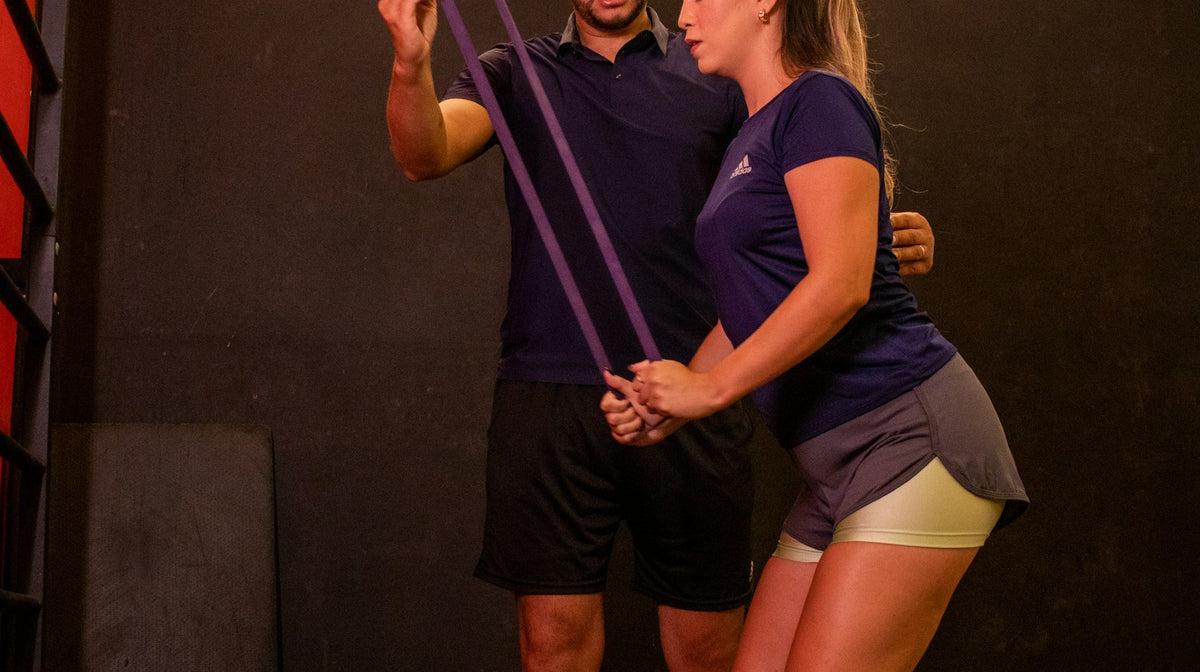
A good arm program also needs some variety in equipment. Dumbbells are great at home and in the gym. Cables keep tension smoother through the full range. Barbell and EZ bar work let you load more heavily. Resistance bands are handy for home workouts or warm-ups. If you want arm size, you can lean more on moderate loads and controlled reps. If you want strength, you’ll usually go heavier and rest longer.
Best biceps exercises
Biceps exercises should give you elbow flexion with enough control that the muscle does the work, not your lower back. The best choices below cover different angles and loading styles, which helps both size and arm thickness.
Bicep curl
The standard bicep curl is still one of the best arm exercises with weights. Stand tall, keep your elbows near your ribs, and curl the dumbbells or bar without swinging. The key is to move through the elbow, not the shoulders. If your torso is leaning back, the load is probably too heavy.
Use this for general biceps size and a simple, easy-to-track progression. Dumbbells work well for unilateral training, while a barbell or EZ bar is better when you want bilateral loading and a little more stability.
Hammer curl
Hammer curls use a neutral grip, which shifts work toward the brachialis and brachioradialis. That makes them one of the best moves for arm thickness and forearm support. Keep the wrist straight and avoid turning the dumbbells into a regular curl on the way up.
This is a smart choice if your goal is stronger pulling, better grip carryover, or fuller-looking arms from the side. It’s also a good option if supinated curls bother your elbows or wrists.
Concentration curl
Concentration curls are a straight-up isolation move. Sit down, brace the working arm against your inner thigh, and curl with a hard squeeze at the top. You won’t use much load here, and that’s fine. The point is peak contraction and clean reps.
This works well for lifters who want to reduce cheating and feel the biceps do the work. It’s a nice finisher after heavier curls and presses.
Cable curl
Cable curls keep tension on the biceps through more of the rep than many dumbbell movements. That constant pull can be useful for hypertrophy, especially if you want a smoother resistance curve and less momentum. Use a straight bar, rope, or single handles depending on your setup.
Cable work is especially useful in a gym because it lets you micro-adjust load and keep technique strict. It’s one of the easiest ways to keep tension high without needing huge weights.
We offer many custom equipment that will allow you to grow your arms and challenge your grips at the same time. Check the V-Bar Raiser for the perfect tool to train biceps and grip strength!

Best triceps exercises
If biceps give the arm shape from the front, triceps give the arm most of its actual mass. Train them hard. Also, don’t assume every triceps move is the same. Long-head emphasis, elbow position, and load stability all change the stimulus.
Overhead triceps extension
The overhead triceps extension is one of the best ways to hit the long head. Raise a dumbbell, cable handle, or band overhead, then bend the elbows and extend under control. Keep your ribs down and avoid over-arching the lower back.
This is a strong choice for size because the long head crosses the shoulder joint, so overhead positioning puts it under more stretch. If your elbows are sensitive, lighten the load and slow the tempo.
Tricep pushdown
The tricep pushdown is simple and effective. Use a cable machine or a resistance band, keep the elbows pinned close to your sides, and extend until the arms are straight without snapping the joint. Let the upper arms stay quiet.
This is a go-to for most lifters because it’s easy to load, easy to learn, and easy to recover from.
Skull crusher
Skull crushers can be excellent, but they punish sloppy form. Lie on a bench, lower the bar or dumbbells toward the forehead or behind the head, and keep the elbows steady. Don’t let them drift open just to move more weight.
This exercise can build serious triceps size, but it’s also one of the more elbow-sensitive options. Use an EZ bar if straight-bar work feels rough on your joints.
Tricep kickback
Tricep kickbacks are best done with a lighter load and very strict form. Hinge at the hips, keep the upper arm parallel to the floor, and extend until the elbow locks out with control. If your shoulder is moving around, you’re cheating the rep.
Kickbacks aren’t the heaviest option, but they’re useful as a finisher when you want extra volume without beating up the elbows. They work best after presses or pushdowns.
Best shoulder exercises that support arm development
Shoulder work matters because it changes the whole look of the arm. A wider shoulder line makes the upper arm look bigger, even before you add more size. Pressing also builds strength that carries into triceps work and general upper-body performance.
Shoulder press
The shoulder press is one of the best compound exercises for arm development because it loads the delts and triceps together. Use dumbbells, a barbell, or a machine. Press overhead without turning it into a sloppy incline press.
It’s a smart main lift if you want strength and size together. For home gyms, adjustable dumbbells can make this much easier to scale over time.
Lateral raise
Lateral raises hit the side delts, which widen the shoulders and make the arms look more developed. Keep a slight bend in the elbows, lift to about shoulder height, and avoid swinging the weights up with momentum.
This is one of those exercises that feels light but matters a lot visually. It’s especially useful for bodybuilders who care about shape and symmetry.
Front raise
Front raises target the front delts and can help with pressing carryover. That said, most lifters already get plenty of front-delt work from benching and overhead pressing. So use this as a secondary move, not the main event.
If your pressing is lagging or your anterior delts are underdeveloped, front raises can fill a gap. If not, you probably don’t need a ton of them.
Forearm And Grip Strength Exercises That Make Arms Stronger
This is where Golden Grip’s angle matters. Forearm training gets ignored in a lot of arm articles, even though it affects lifting performance, arm wrestling control, climbing endurance, and even how stable your wrist feels during curls and presses. If your grip fades early, your arms never get the chance to work fully.
You don’t need a huge forearm routine to make a difference, but you do need the right movements. Train wrist flexion and extension. Train pronation and supination. Train support grip, crushing grip, and pinch grip. That’s the stuff that turns decent arms into useful arms.
Wrist curls and reverse wrist curls
Wrist curls target the forearm flexors, which are involved in wrist flexion and a lot of gripping work. Reverse wrist curls, or palms-down wrist curls, hit the forearm extensors. Both matter. If you only train one side, your elbows and wrists can get cranky fast.
Use a light dumbbell or EZ bar and keep the movement controlled. Let the wrist move through a comfortable range, but don’t bounce reps. This is a place where time under tension matters more than ego loading.
Hammer curls for forearm support
Hammer curls deserve a second mention here because they do more than build the brachialis. They also bring in the brachioradialis, which adds visible thickness to the upper forearm. For many lifters, that’s the muscle that makes the arm look dense instead of just round.
If you want better carryover to pulling, rowing, and climbing, hammer curls are a strong choice. They’re also easier on the wrist than some supinated curl variations.
Grip tools that improve arm training carryover
Hand grippers, fat grips, plate pinches, and forearm rollers all have a place here. Use them if you want better support grip, more grip endurance, or stronger hands for heavy pulling and carrying. They’re especially useful for arm wrestlers and climbers, where grip fatigue shows up fast and hits performance hard.
A few practical examples:
-
Hand grippers build crushing grip and can be used between workouts.
-
Fat grips make dumbbells and bars thicker, which forces your hands to work harder on rows, curls, and carries.
-
Plate pinches train pinch grip and thumb strength.
-
Forearm rollers hit the forearms hard with controlled wrist flexion and extension work.
If you want a more sport-specific angle, check out our article on grip strength for athletes and pair it with your arm training.
How To Structure An Arm Workout For Size Or Strength
You get better results when arm work follows a simple structure. Start with a compound press or pull if you want overall upper-body development, then move into isolation work for biceps and triceps, and finish with forearms or grip. That setup lets you handle more load early and use stricter movements later, when fatigue is higher.
Training frequency matters too. Most lifters do well training arms one to three times per week depending on total volume and recovery. If you already bench, row, press, and pull a lot, your arms may need less direct work than you think. If you’re trying to bring up lagging arms, direct volume matters more.
For muscle size
For hypertrophy, moderate reps usually work best. Think 8 to 15 reps on most movements, with controlled tempo and enough volume to create a real training signal. Two to four sets per exercise is a useful starting point, especially if you’re combining compound and isolation work.
A good cue here is to stop one or two reps short of failure on most sets, then push a final set harder if your joints feel good. Time under tension helps, but only if you keep form clean.
For strength
For strength, use heavier loads and lower reps, usually around 4 to 8 on the main movements. Rest longer between sets so the nervous system can recover. This works well for barbell curls, weighted chin-ups, heavy presses, and some triceps movements.
Strength work is useful if your goal is better performance in sports or pulling movements. It also gives you a base for heavier hypertrophy training later.
For endurance and grip performance
For endurance and grip performance, use higher reps, timed holds, and a little isometric work. This matters a lot for climbers and arm wrestlers, where the forearms need to keep working under fatigue. Plate pinches, gripper holds, and wrist roller work fit well here.
If grip is a major goal, try pairing arm work with grip tools. For example, do curls, then finish with a few sets with hand grippers for grip strength. That combo is simple and effective.

How Heavy Should The Weight Be For Arm Exercises?
The right weight is the one that lets you keep clean form while getting close to failure in your target rep range. If you’re swinging your curls or turning pushdowns into a shoulder movement, the load is too heavy. If you could do ten more reps with perfect form, it’s probably too light for growth.
Beginners should start lighter than they expect. That sounds boring, but it’s the fastest path to progress. Learn the movement, keep the joints happy, and add load only when the reps stay smooth. A good rule is to increase weight once you can hit the top of your rep range for all sets without form breakdown.
For most people:
-
Size: moderate load, 8 to 15 reps
-
Strength: heavier load, 4 to 8 reps
-
Endurance: lighter load, 15+ reps or timed holds
And if you’re doing arm work after heavy compound lifts, you may need to reduce load a bit. Fatigue changes everything.
Common Mistakes To Avoid In Arm Training
The biggest arm-training mistake is chasing weight when the movement quality isn’t there. Arms usually respond better to control than to sloppy overload. If your elbows hurt, your wrists ache, or your range of motion keeps shrinking, the fix is usually better execution, not more weight.
Another common issue is overtraining the same tissues without enough recovery. The elbows and wrists take a beating when people stack curls, pressing, pull-ups, and grip work on top of each other. If you lift hard several days a week, you need to be thoughtful about volume.
Using momentum on curls
If your torso is swinging, your biceps are getting less work than you think. Keep the rep strict and let the muscle do the job. Cheat reps have a place for advanced lifters, but not as your default.
Flaring elbows on triceps work
When elbows flare all over the place on pushdowns or overhead extensions, the movement gets less stable and the triceps lose tension. Keep the elbows in a repeatable path.
Ignoring forearms and grip
This one shows up a lot. People train biceps and triceps hard, then wonder why their pulling stalls. Grip fatigue, weak forearms, and poor wrist control can limit everything else.
Training arms too often without recovery
Arms recover well, but not endlessly. If your elbows feel beat up or your performance is dropping, back off for a few days. Recovery is part of the program, not a bonus.
Can You Build Arms With Just Dumbbells?
Yes, absolutely. For most people, dumbbells are enough to build bigger, stronger arms, especially if you’re consistent and use progressive overload. Dumbbells are great because they allow unilateral training, they’re easy on home gym setups, and they make it simple to adjust your range of motion and grip angle.
That said, cables and bars add useful variety. Cables keep tension steady. Barbell and EZ bar work make loading easier on some lifts. If you’re tight on space, adjustable dumbbells for arm training are probably the best all-around solution. They’re practical, scalable, and easy to use for curls, presses, and raises.
Best Equipment For Arm And Grip Training
If you’re building a home gym or just trying to get more out of your sessions, equipment choice matters. You don’t need everything, but the right tools make arm work smoother and more progressive. Dumbbells are the starting point for most people. An EZ bar can make curls and skull crushers more joint-friendly. A cable machine opens up pushdowns, curls, and lateral raise variations that keep tension more consistent.
For grip and forearms, the list gets more specific. Hand grippers are useful for crushing grip. Fat grips change the challenge on almost every arm movement. Forearm rollers, wrist tools, and pinch devices add work that regular arm training doesn’t cover well. If you’re serious about support grip or arm wrestling, that gear can make a real difference.
Check, for instance, the Golden Grip's Wrist Wrench for serious gains in your grip strength and forearm size!

Home gym essentials
For a small space, you can keep it simple:
-
adjustable dumbbells
-
resistance bands
-
an EZ bar if you have room
-
a set of wrist support or wraps if your joints need it
That setup covers most arm workouts without taking over your house. It’s enough for size, strength, and a lot of basic grip work.
Grip-specific tools for advanced training
Once your basics are covered, add specialty tools where they solve a real problem. Hand grippers help with crushing grip. Fat grips challenge support grip during curls and rows. Plate pinches and forearm rollers fill in pinch and endurance work. If your sport demands wrist rotation or arm-wrestling control, specialized handles and forearm tools are worth a look.
Golden Grip’s forearm training tools fit that kind of work well, especially if you want equipment that matches grip, wrist, and forearm goals together.
Frequently Asked Questions
What are the best weight lifting exercises for arms?
The best exercises usually include bicep curls, hammer curls, overhead triceps extensions, tricep pushdowns, shoulder presses, and forearm work for balanced arm development.
How many arm exercises should I do in one workout?
Most people do well with 4 to 6 total exercises, split between biceps, triceps, shoulders, and forearms.
Can I build bigger arms with dumbbells only?
Yes. Dumbbells can build size and strength effectively, especially if you use progressive overload and train consistently.
What weight should I use for arm exercises?
Choose a weight that lets you keep good form while finishing your reps with effort. If you can easily do far more than your target reps, it is probably too light.
Are hammer curls good for forearms?
Yes. Hammer curls work the brachialis and brachioradialis, which helps improve forearm size and arm thickness.
How often should I train arms?
Most lifters can train arms 1 to 3 times per week depending on volume, recovery, and overall program design.
Do grip tools actually help arm training?
Yes. Grip tools like hand grippers, fat grips, and plate pinches can improve grip endurance and support strength, which carries over to lifting and sports.
Should beginners start with heavy arm weights?
No. Beginners should start lighter and focus on clean form, full range of motion, and controlled reps.
Final Thoughts
If you want better arms, don’t treat arm training like a quick curl session. Build around biceps, triceps, shoulders, and forearms. Use exercises that you can actually progress. Keep form strict. Train with enough volume to grow, but not so much that your elbows and wrists get beat up.
The big takeaway is simple: the best weight lifting exercises for arms are the ones that match your goal. Use curls and hammer curls for biceps and brachialis. Use overhead extensions and pushdowns for triceps. Add shoulder work for size and shape. Then bring in grip and forearm training if you want better performance, thicker arms, and stronger hands.
If you want to go further, explore Golden Grip’s grip and forearm training gear, plus the related guides on grip strength, arm wrestling, and forearm development. That’s where arm training starts to feel more complete.